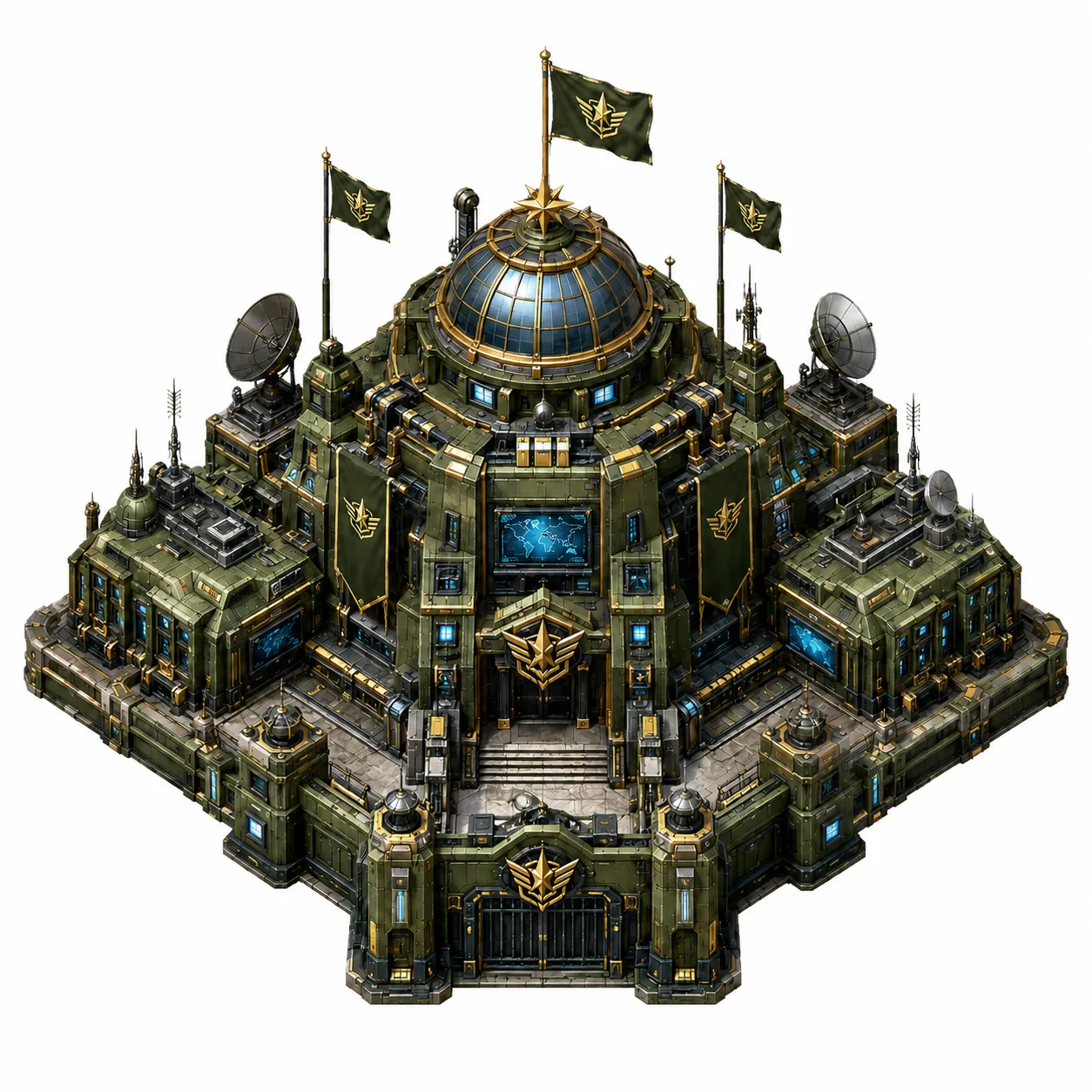
Every commander belongs to one of two conferences — Northern Command or Southern Command — and is based in one of twelve zones. You fight, raid, and climb the leaderboard within your conference. Your zone is your home ground; the rest of the map is contested territory.
Want to operate beyond your home zone? You'll need papers. A passport lets you travel; a visa lets you fight abroad for a time; migration moves your home for good. But overstay your welcome and you risk detention — locked out of missions until you settle up, with a ban hanging over you. Watch the clock.
Found or join an alliance and fight as one. Members fund a shared treasury through a mission tax and donations; the alliance levels up, raising its member cap and unlocking support like sponsored visas. Roles — from Master to Finance Officer to Recruiter — keep the war machine organized.
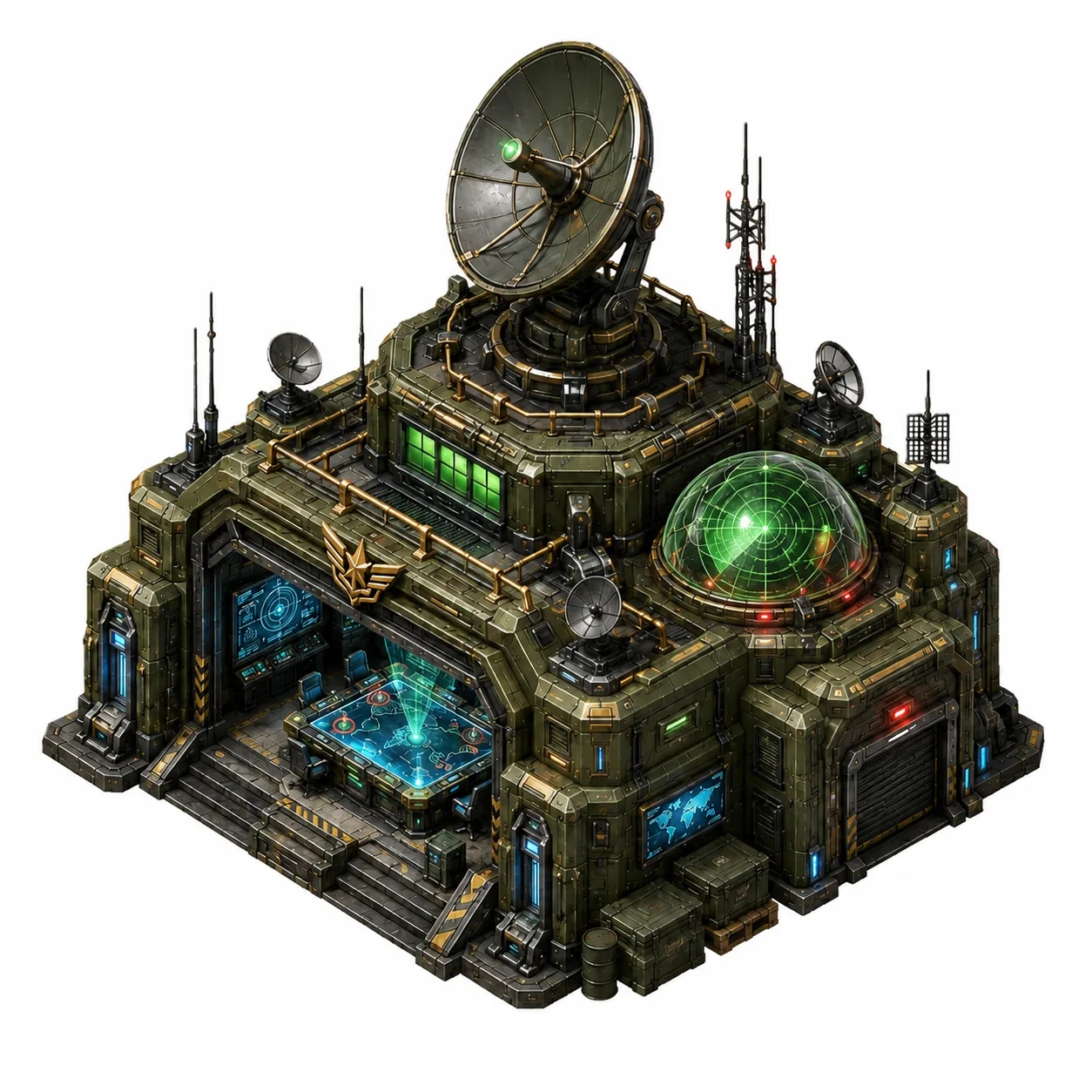
Once you've earned your radar, the real war begins. Scan your conference for living commanders — you'll see only a rough read on their strength, never the full picture, so every attack is a gamble. Beat their defense and you steal their Conflict Points. Lose, and you've handed them a trophy. Win or lose, the conference hears about it.
War in Cold Conflict is social. When an alliance-mate is attacked, you get a brief window to throw your own units into their defense — solidarity that costs you risk but earns you nothing but their gratitude. And when it's time to strike, a leader can rally a party of up to six commanders into a single overwhelming assault, splitting the spoils of victory.
Topple a high-ranked commander and the whole conference hears about it. The news feed broadcasts the big upsets, the rivalries, and the rise of new powers. In Cold Conflict, reputation is real — and so is infamy.